
Soft furnishings are the heavily used surfaces in any home or office. From sofas and armchairs to dining chairs and office seating, these fabrics absorb dust, allergens, spills, and body oils daily.
Studies on indoor air quality show that untreated upholstered furniture can hold more allergens than carpets, making professional upholstery cleaning in London essential for hygiene and comfort.
What Is Upholstery Cleaning?
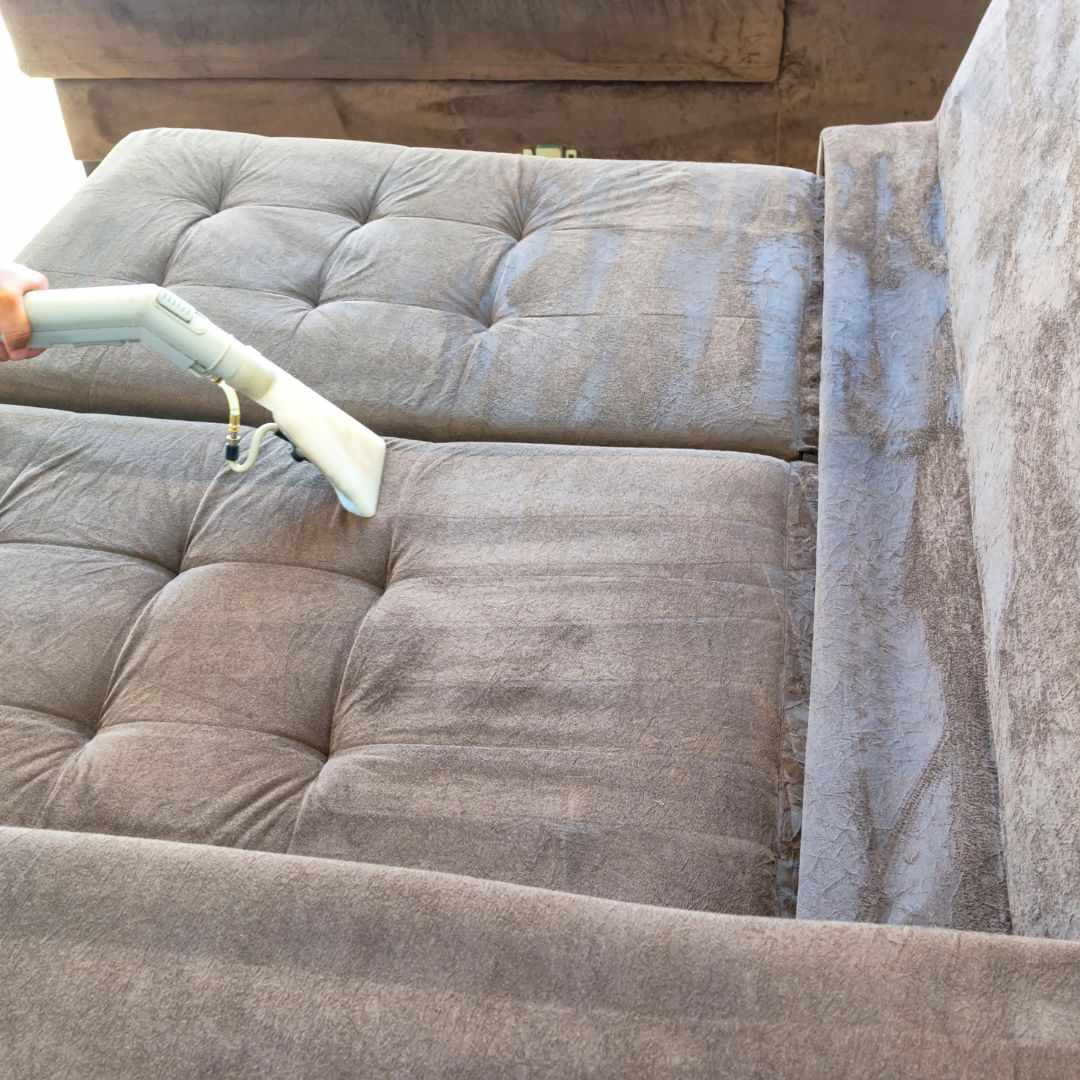
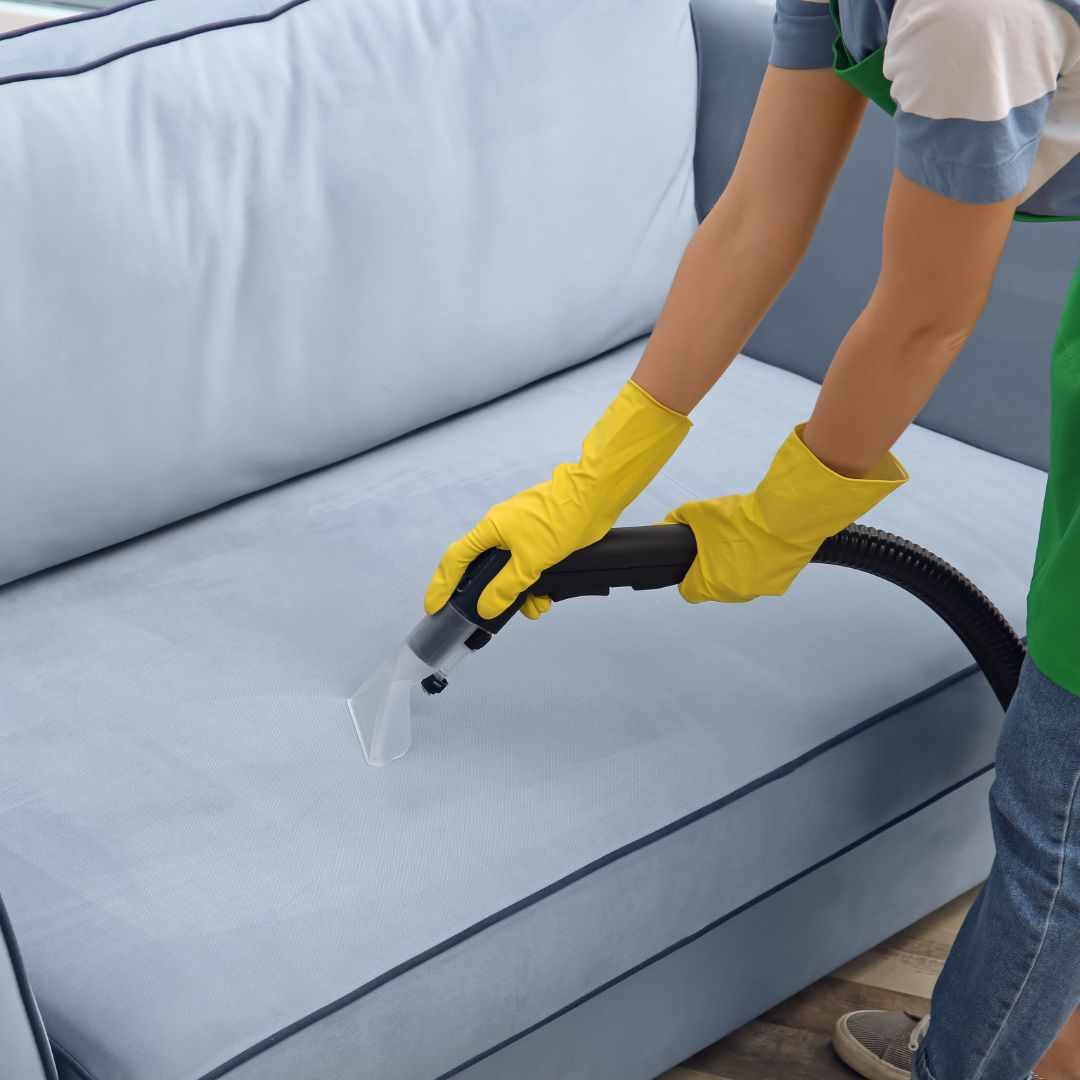
Upholstery cleaning is the professional process of removing dirt, stains, allergens, and bacteria from fabric-covered furniture. Techniques differ depending on fabric type and may include steam cleaning, low-moisture extraction, or dry cleaning. This process restores appearance, improves air quality, and extends furniture durability without damaging delicate materials.
Why Professional Upholstery Cleaning in London Matters?
London homes face unique challenges like pollution, humidity, pet dander, and high-traffic spaces. DIY methods may remove surface dirt but often fail to address embedded contaminants.
Professional cleaning delivers:
Deep allergen and dust mite removal
Safe treatment for delicate or high-value fabrics
Faster drying with controlled moisture
Elimination of odours and bacteria at the source
How Often Should Upholstery Be Cleaned?
This common question depends on usage and environment. The recommended frequency:
Environment
Recommended Cleaning Interval
Homes with pets or children
Every 6–9 months
High-use sofas or chairs
Every 9–12 months
Offices or commercial spaces
Every 3–6 months
Regular upholstery cleaning services in London prevent permanent fabric wear and reduce the need for costly replacements.
How Professional Upholstery Cleaning Works?
Understanding the process builds trust and confidence.
Step 1: Fabric Inspection
Technicians assess fabric type, colourfastness, and existing damage.
Step 2: Pre-Treatment
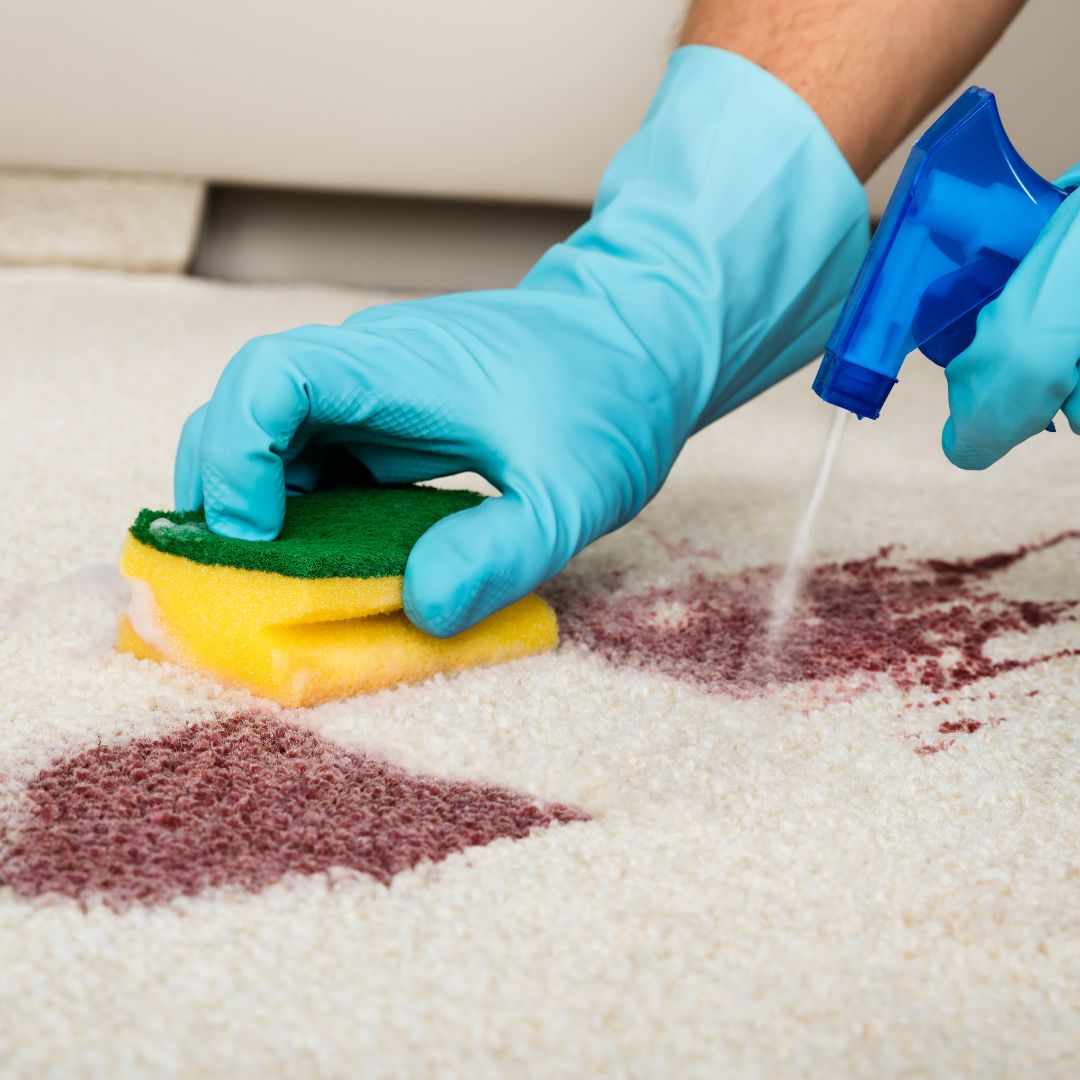
Targeted solutions are applied to loosen dirt and break down stains.
Step 3: Deep Cleaning
Using steam cleaning or low-moisture extraction, contaminants are removed safely.
Step 4: Rinse and Extraction
Residues are extracted to prevent stiffness and re-soiling.
Step 5: Drying and Final Check
Furniture is left fresh, hygienic, and ready for use with minimal downtime.
DIY vs Professional Upholstery Cleaning
DIY Cleaning
Professional Cleaning (Go For Cleaning)
Limited stain removal
Fabric-specific deep cleaning
Risk of over-wetting
Controlled moisture and faster drying
No allergen extraction
Effective allergen and bacteria removal
Potential fabric damage
Long-term protection and proven results
For valuable or frequently used furniture, professional care is much safer, faster, and more cost-effective.
Can Upholstery Cleaning Remove Stains and Odours?
Yes. Professional cleaning can handle following stains and odours:
Food and drink spills
Pet odours and hair
Body oils and sweat residues
Everyday grime and dullness
While some permanent dye stains may not fully reverse, early treatment greatly improves results.
Expert Tips to Maintain Clean Upholstery Between Services
Vacuum weekly with a soft brush attachment
Blot spills immediately, don’t rub
Rotate cushions to distribute wear evenly
Keep furniture out of direct sunlight
These simple habits can extend the benefits of professional cleaning.
Why Choose Go For Cleaning?
Clients across London trust Go For Cleaning for:
Trained and insured professionals
Eco-conscious cleaning solutions
Transparent pricing without hidden costs
Flexible scheduling for homes and businesses
Every service is specifically tailored for fabric safety and long-term care, not rushed.
Final Thoughts
Professional upholstery cleaning restores freshness, protects fabric integrity, and improves indoor air quality. The qualified cleaners ensure that your furniture remains safe, hygienic, and long-lasting.
When seeking dependable, expert-led upholstery cleaning in London, you should look no further than Go For Cleaning. We can keep your furniture looking and feeling its best.






Write a comment ...